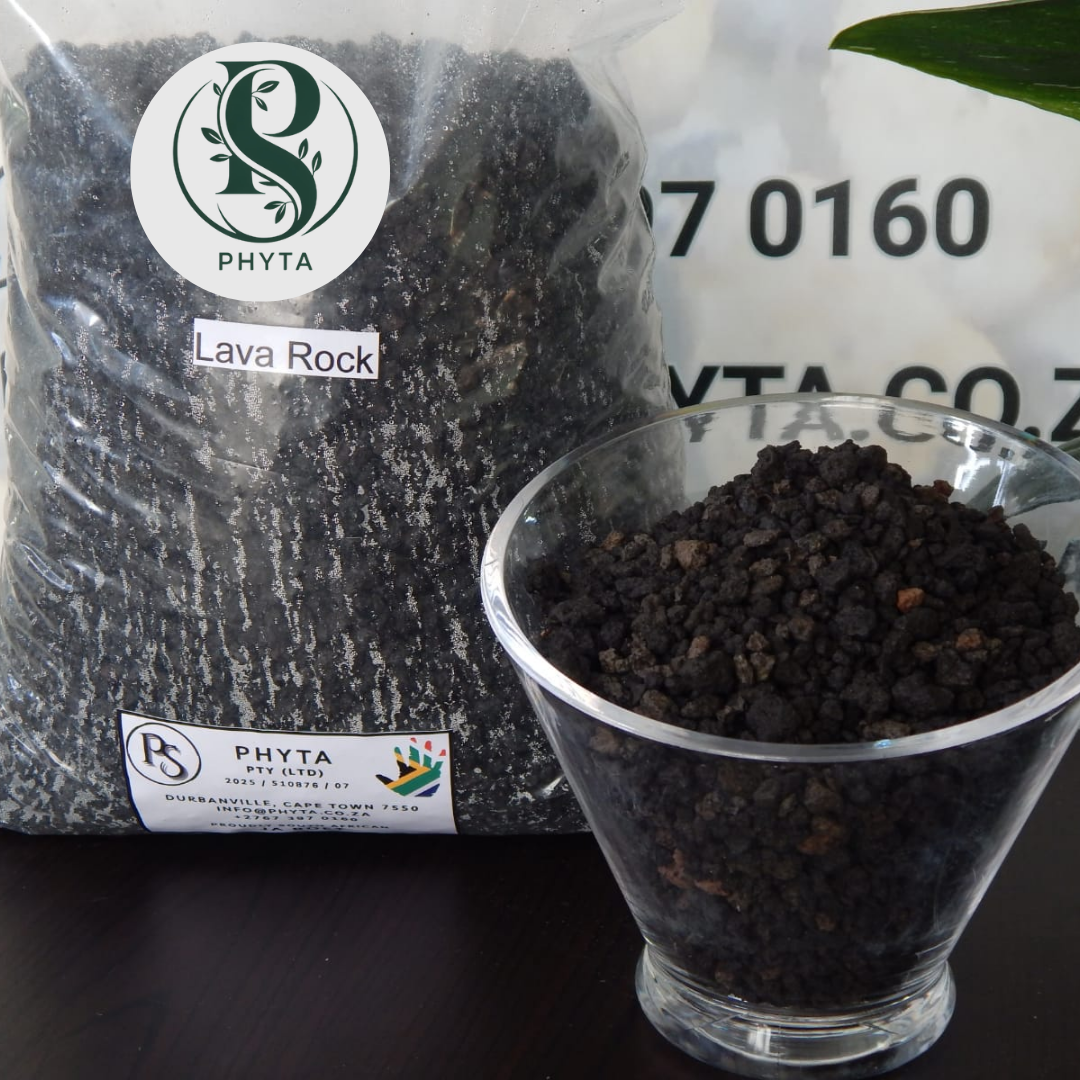
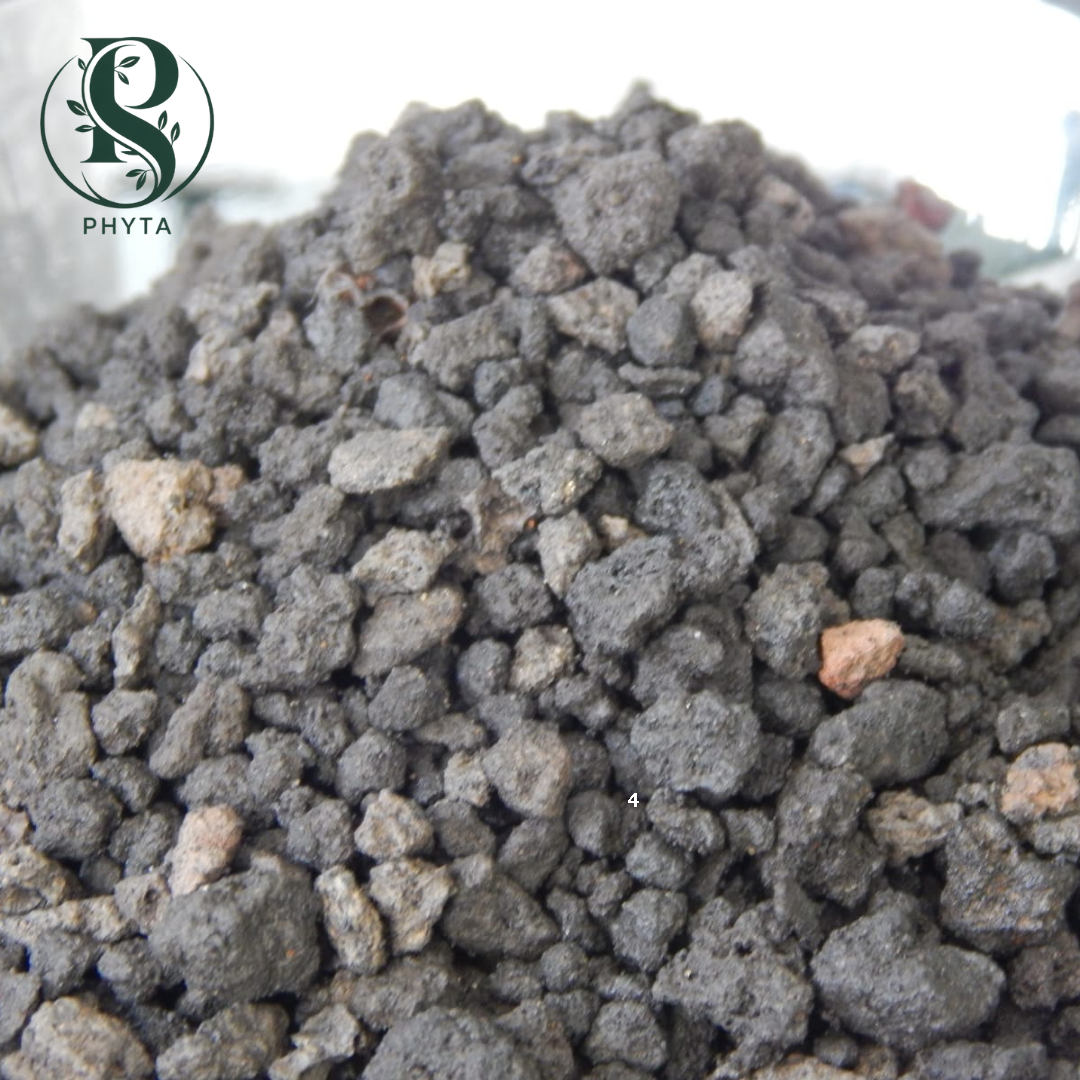
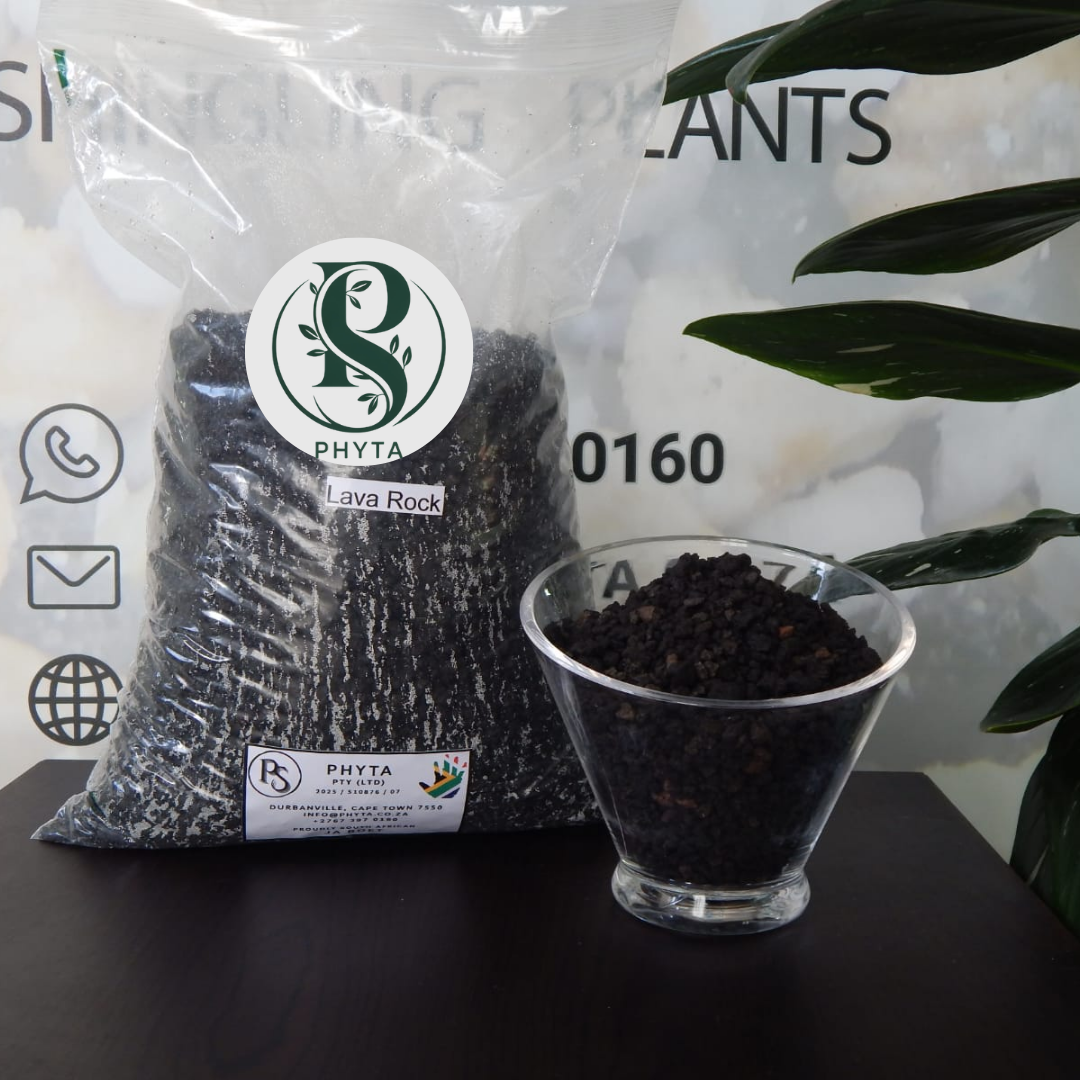
Lava Rock 4lt
R330,00
Lava rock is beneficial for plants because it’s rich in essential minerals like calcium, potassium, and magnesium. These minerals, released as the rock breaks down, act as natural fertilizers, supporting plant growth. Lava rock also enhances soil structure, improves water retention, and promotes healthy root development due to its porous nature.
Description
Lava rock is beneficial for plants because it’s rich in essential minerals like calcium, potassium, and magnesium. These minerals, released as the rock breaks down, act as natural fertilizers, supporting plant growth. Lava rock also enhances soil structure, improves water retention, and promotes healthy root development due to its porous nature.
Why Lava Rock is Good for Plants:
Mineral Rich:
Lava rock, particularly volcanic rock dust, is a natural source of essential minerals. These minerals, such as calcium, potassium, and magnesium, are crucial for plant growth and development.
Natural Fertilizer:
As lava rock gradually decomposes, it releases these minerals into the soil, acting as a natural fertilizer.
Soil Improvement:
Lava rock improves soil structure by enhancing drainage and aeration. Its porous nature allows for good water flow and prevents waterlogging, which can damage plant roots.
Water Retention:
While lava rock improves drainage, it also helps retain moisture in the soil, making it available to plants.
Root Development:
The improved drainage and aeration provided by lava rock promote healthy root development, allowing plants to absorb more nutrients and water.
Soil Biodiversity:
Lava rock can also contribute to a healthier soil environment by supporting beneficial microorganisms and earthworms.
Minerals in Lava Rock:
Lava rock is a complex mixture of minerals, but some of the most important for plant growth include:
Calcium:
Essential for building strong cell walls and promoting overall plant health.
Potassium:
Important for regulating the opening and closing of stomata, which helps plants regulate water and gas exchange.
Magnesium:
A key component of chlorophyll, the green pigment that plants use for photosynthesis.
Other Trace Elements:
Volcanic rock dust may also contain trace elements like iron, zinc, and manganese, which are also important for plant growth and development.